

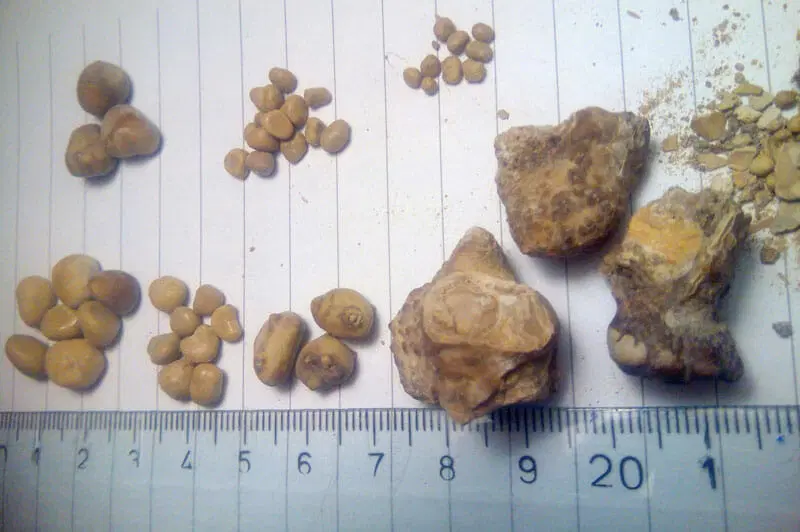
Kidney stones in Hyderabad are unusually common — and there’s a reason for that. If you live in Hyderabad or anywhere in Telangana, chances are you know someone — a family member, a colleague, a neighbour — who has had a kidney stone. Telangana is part of what doctors call India’s “stone belt,” a cluster of states where kidney stones in Hyderabad and across South India occur at much higher rates than the national average. For a broader overview of how stones are diagnosed and treated, you may also want to read our guide on kidney stones — causes, symptoms and modern treatment options.
As a Consultant Urologist in Hyderabad, I see kidney stone patients almost every single day in my clinic. The good news? Most kidney stones can be prevented with a few simple lifestyle changes — once you understand why they form in the first place.
Let me walk you through it.
What are kidney stones?
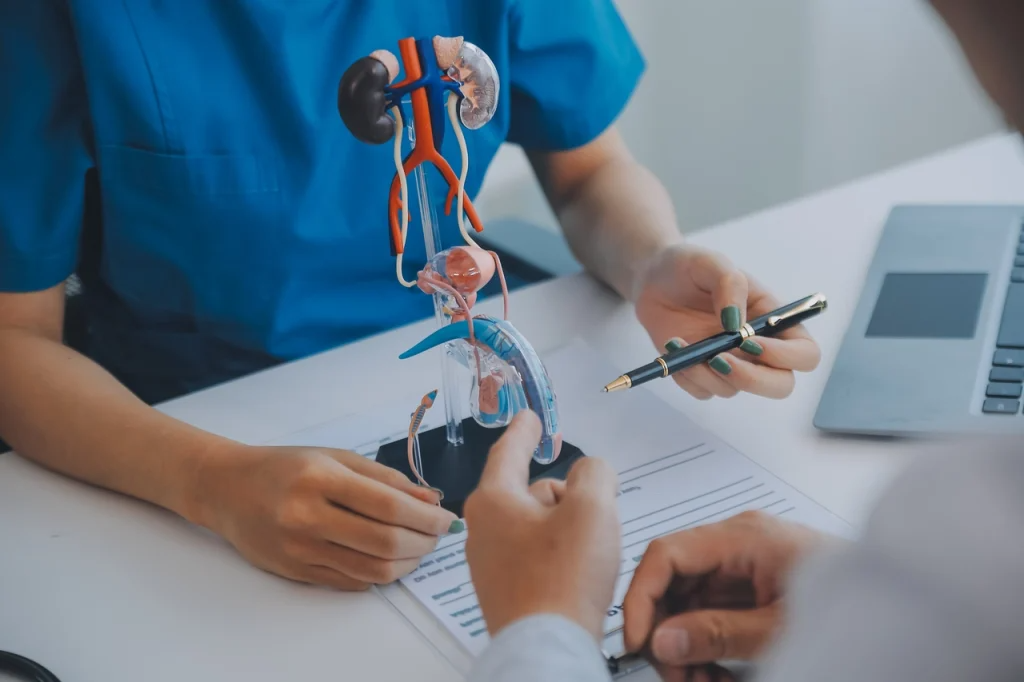
Your kidneys filter waste from your blood and turn it into urine. Urine contains tiny amounts of salts and minerals like calcium, oxalate, and uric acid. Normally, these flush out of your body without any problem.
But sometimes — when you don’t drink enough water, or when certain minerals build up — these salts stick together and form hard crystals. Over time, these crystals grow into stones.
A kidney stone can be as tiny as a grain of sand or as large as a golf ball. Small stones often pass out in urine on their own. Bigger ones can get stuck on the way out and cause severe pain.
How do you know if you have a kidney stone?
The most common symptoms are:
- Severe pain in the side or lower back, often spreading down to the lower abdomen and groin. Many patients describe it as the worst pain they have ever felt.
- Blood in the urine — sometimes visible (pink, red, or brown urine), sometimes detected only on a urine test.
- Burning or pain while passing urine.
- A constant urge to urinate, even when very little comes out.
- Nausea or vomiting along with the pain.
- Fever and chills — this is a danger sign and means infection may be present. See a doctor immediately.
Some small stones cause no symptoms at all and are picked up by chance during a routine ultrasound or scan.
What are the different types of kidney stones?
Not all kidney stones are made of the same material. Knowing the type matters because treatment and prevention are different for each.
1. Calcium stones (75–80% of all stones)
By far the most common type. They form when calcium combines with oxalate (most often) or phosphate in the urine. Common reasons include too much salt in the diet, too little water, oxalate-rich foods (spinach, tomatoes, tea, chocolate), and a genetic tendency that runs in families.
2. Uric acid stones
These form when the urine is too acidic. They are especially common in people with diabetes, obesity, gout, or a diet heavy in red meat, mutton, and seafood. Uric acid stones are becoming more common in urban Hyderabad as diets and lifestyles change.
3. Struvite or “infection” stones
These form because of long-standing urinary tract infections (UTIs) and are more common in women. They tend to grow silently and can fill up most of the kidney before causing symptoms. By the time they are detected, they are often very large.
4. Rare types
Cystine stones (a genetic condition) and a few other rare types together make up less than 5% of all kidney stones. The Mayo Clinic and the National Institute of Diabetes and Digestive and Kidney Diseases (NIDDK) have detailed clinical references on each stone type.
Why do kidney stones form?
Kidney stones rarely form because of just one reason. It is usually a combination of factors:
1. Not drinking enough water
This is the single biggest factor. When urine becomes concentrated, the salts in it crystallise more easily. Most of the stone patients I see simply do not drink enough water.
2. Diet
- Too much salt — increases calcium loss in urine, setting the stage for stones.
- Too much animal protein — heavy red meat, mutton, and seafood intake raises stone risk.
- High-oxalate foods in excess — spinach, beetroot, tomatoes, tea, chocolate, and nuts.
- Sugary drinks — colas and packaged juices increase the risk of uric acid stones.
- Too little calcium in food — surprisingly, low-calcium diets actually increase stone risk, not reduce it.
- Too few citrus fruits — lemon, orange, and sweet lime naturally protect against stones.
3. Medical conditions
Diabetes, obesity, gout, an overactive parathyroid gland, and repeated urinary infections all increase stone risk.
4. Family history
If a parent or sibling has had stones, your risk is significantly higher.
5. Certain medicines and supplements
Some blood pressure medicines, anti-seizure drugs, and high doses of Vitamin C or Vitamin D supplements can increase the risk of stone formation.
Why are kidney stones in Hyderabad and Telangana so common?
This is where it gets interesting. Telangana, along with Andhra Pradesh, Tamil Nadu, Rajasthan, and Gujarat, sits firmly in India’s “stone belt.” Here’s why kidney stones in Hyderabad and surrounding districts are so frequent:
1. The heat
Hyderabad summers routinely cross 40°C. People sweat heavily, lose water through skin and breath, and pass much less urine. Concentrated urine is a perfect recipe for stone formation. Outdoor workers — farmers, construction labourers, autorickshaw drivers, street vendors, and delivery riders — are at especially high risk.
2. The water
Much of Telangana’s groundwater is what we call “hard water” — it contains high amounts of calcium, magnesium, and other minerals. Borewell water in many parts of the city and in surrounding districts has very high TDS (total dissolved solids). Drinking this kind of water year after year can increase stone risk.
3. Our food
Traditional Telugu food, while delicious, has some features that promote stone formation:
- Very high salt content in pickles (avakaya), papads, karam podi (gunpowder), and salted snacks.
- Liberal use of oxalate-rich foods like gongura, tomatoes, spinach, and tamarind.
- Increasing junk food and sugary drink consumption in cities.
Meanwhile, protective foods like buttermilk, lemon water, and fresh fruit are being replaced by colas and packaged drinks.
4. Diabetes and obesity
Telangana has among the highest rates of type 2 diabetes and central obesity in India. Both directly increase the risk of forming uric acid stones.
5. Occupational risk
Farmers in districts like Nalgonda, Mahbubnagar, and across rural Telangana work long hours in extreme heat, often without easy access to drinking water. This combination of heat and dehydration leads to repeated stone formation in the same person — sometimes year after year.
6. Fluoride and water quality
Parts of erstwhile Nalgonda district have historically had high fluoride levels in groundwater. While fluoride is better known for affecting bones and teeth, the overall poor water quality in these areas also contributes to higher stone risk.
How can you prevent kidney stones?
Here’s the good news: most kidney stones can be prevented with simple, consistent habits. You can also find detailed lifestyle and pre-treatment guidance on our patient information page.
Drink plenty of water
The single most important step. Aim for 2.5 to 3 litres a day — more if you work outdoors or in hot conditions. Your urine should be pale yellow or almost clear. If it’s dark yellow, you’re not drinking enough.
A simple trick: keep a water bottle visible at all times and finish it 3–4 times during the day.
Cut back on salt
Reduce pickles, papads, packaged snacks, processed foods, and added table salt. Aim for less than one teaspoon of total salt per day from all sources combined.
Add lemon to your daily routine
Lemon and other citrus fruits contain citrate, a natural stone-blocker. A glass of lemon water daily is one of the easiest preventive habits you can build.
Eat enough calcium — but from food, not supplements
Don’t avoid calcium thinking it causes stones — that’s a myth. Calcium from milk, curd, and other dairy actually helps prevent stones. Avoid calcium supplements unless your doctor has specifically prescribed them.
Go easy on animal protein
Limit red meat, mutton, and seafood. You don’t have to give them up — just don’t overdo it.
Limit sugary drinks
Cut down on colas, packaged juices, and energy drinks. Drink water, buttermilk, or fresh coconut water instead.
Check your water source
If you use borewell water at home, consider an RO purifier or have your water tested for hardness and TDS. This is especially important for people who have already had a kidney stone.
Manage diabetes and weight
If you have diabetes or are overweight, getting these under control significantly reduces your stone risk — along with many other health benefits.
When should you see a urologist?
See a urologist if you have:
- Severe pain in the back, side, or lower abdomen.
- Blood in the urine.
- Pain or burning while urinating, especially with fever.
- A history of kidney stones — even if you feel fine right now, regular follow-up matters.
- A family history of stones combined with any urinary symptoms.
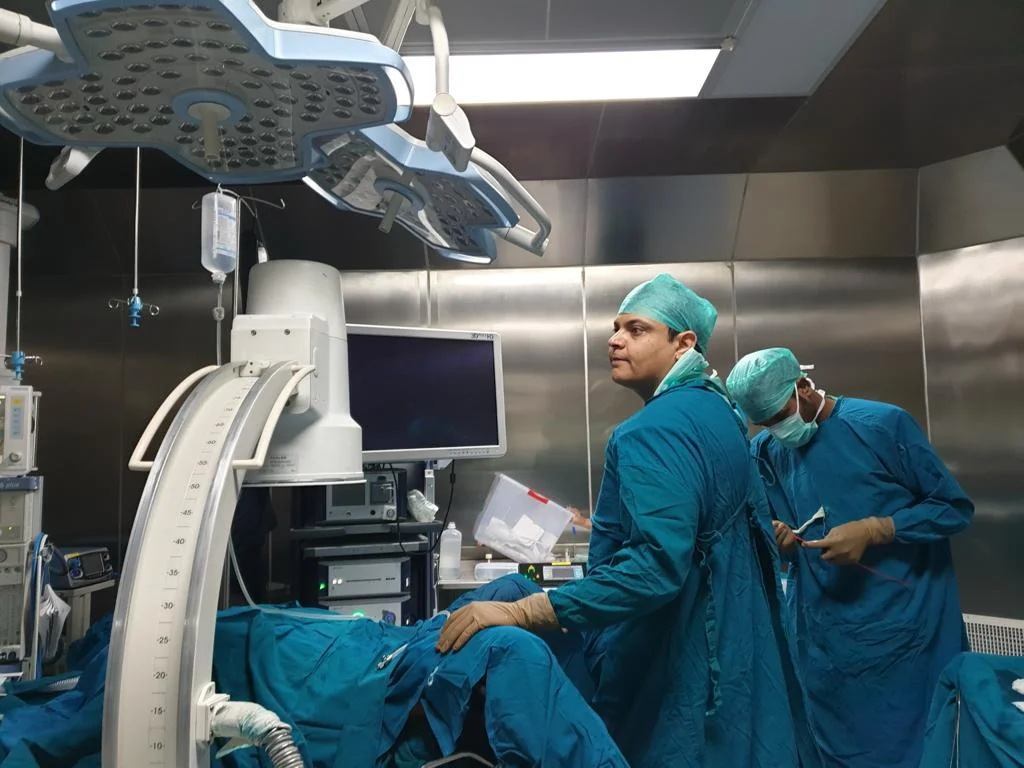
Stones detected early are much easier to treat — often with simple medication and lifestyle changes. Larger stones may need procedures like ESWL (shockwave treatment), URS, RIRS, or PCNL — all minimally invasive procedures that no longer require open surgery. You can read more about these kidney stone treatments on our services page, and find answers to common queries on our FAQ page.
The bottom line
Kidney stones in Hyderabad are common, but they are not inevitable. The combination of heat, hard water, salty food, and modern lifestyle puts our region at high risk — but every one of these factors is something you can take charge of.
Drink more water. Cut down on salt. Add a glass of lemon water to your day. And if you’ve already had a stone, get a proper evaluation done so it doesn’t happen again.
If you have symptoms or want to get screened, I’d be happy to see you at my clinic at KIMS Hospital, Secunderabad. Book an appointment here.
About the author: Dr. Likhiteswer Pallagani is a Consultant Urologist and Robotic Surgeon practising at KIMS Hospital, Secunderabad. He specialises in minimally invasive treatment of kidney stones, prostate disease, and urological cancers.